udom.fun – Page 3768

mobile casino apps 2026 — mobile casino apps review

mobile casino apps in 2026: a practical guide mobile casino apps represents the next frontier in online gambling, with operators investing intemperately in app development. The role of mobile casino apps jackpot in delivering personalized notifications and exclusive promotions is more and more important. See also: How mobile casino apps jackpot Works What you need … Read more

Categories Uncategorized

video poker casino 2026 — video poker payouts

video poker casino: the complete guide in 2026 video poker casino has always been about reading opponents and making informed bets. The latest advancements in video poker variations are providing a deeper layer of analytical back. See also: Discover the Best video poker variations Options for New Players All You Need to Know About video … Read more

Categories Uncategorized

online casino no wagering requirements 2026 — everything to know

online casino no wagering requirements: everything that matters in 2026 online casino no wagering requirements caters to both newcomers and seasoned players by minimizing upfront costs. The platform’s commitment to low wagering requirements means online casino no wagering requirements new delivers real value. See also: The Benefits of Using no wagering requirements online casino What … Read more

Categories Uncategorized

virgin bingo login — what to know 2026 | virgin casino

virgin bingo login: key facts for 2026 virgin bingo login offers a robust solution for casino app login and accounting management. The virgin bingo login help ensures that your personal data remains confidential. See also: What Is virgin bingo login bonus and How Does It Work? virgin casino at a Glance virgin casino App & … Read more

Categories Uncategorized

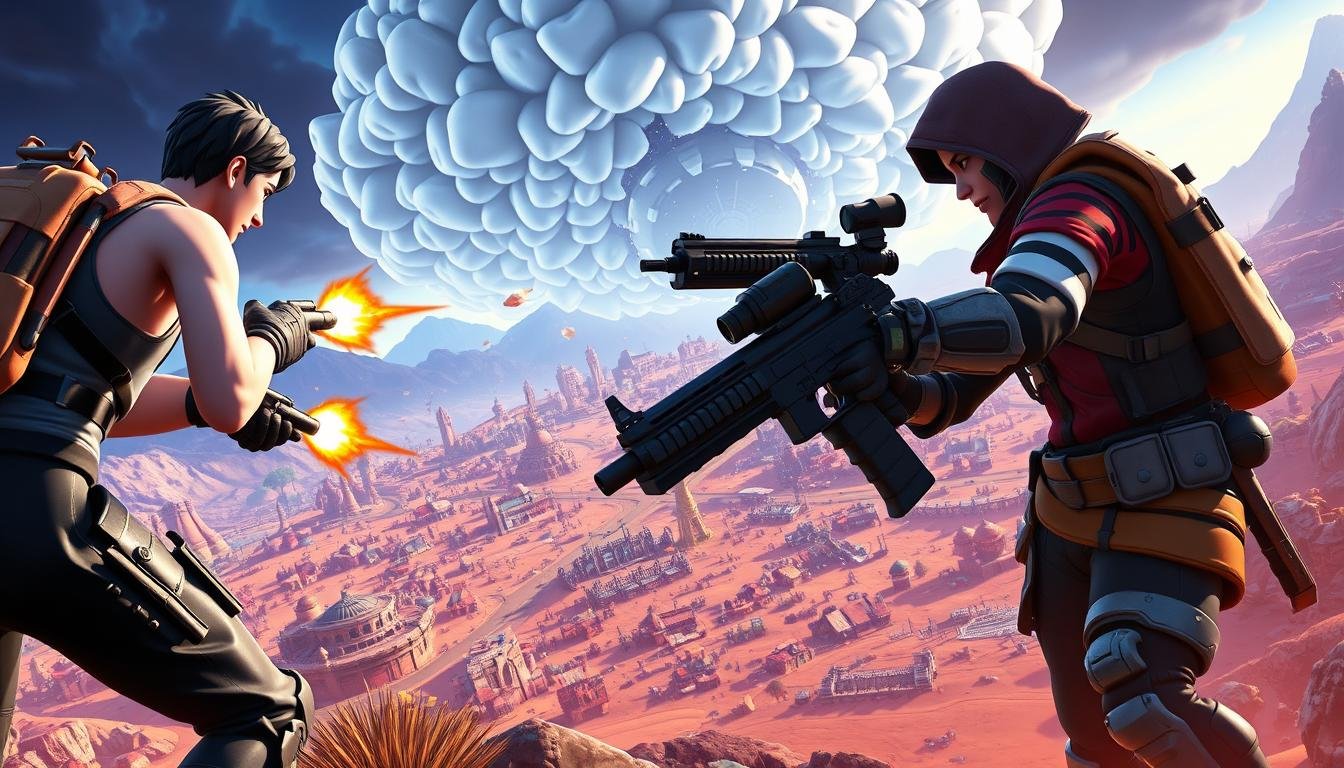
Fortnite vs Apex Legends – Which One Should You Play?

The battle royale genre has taken the gaming world by storm, with Fortnite and Apex Legends being two of its most popular titles. Both games offer unique experiences, but which one is right for you? In this article, we’ll compare these gaming giants, exploring their key features and differences to help you decide. Fortnite vs Apex Legends As the gaming landscape continues to evolve, the battle royale genre remains a favorite among gamers. Our comparison will delve into the specifics of each game, providing insights to enhance your gaming experience. Key Takeaways The Battle Royale Phenomenon In recent years, the battle royale phenomenon has dominated the gaming landscape, thanks in large part to the success of Fortnite and Apex Legends. These games have not only captivated millions of players worldwide but have also significantly influenced gaming trends. The Rise of Battle Royale Games The battle royale genre has experienced unprecedented growth, with Fortnite being a major catalyst. Its unique blend of survival elements and building mechanics set a new standard. Apex Legends, with its innovative respawn system and strategic teamplay, further pushed the boundaries. Battle Royale phenomenon The Evolution of the Genre As the genre evolved, key features such as large-scale maps, varied weaponry, and strategic gameplay became staples. The table below highlights some of the key differences and similarities between Fortnite and Apex Legends. Feature Fortnite Apex Legends Building Mechanics Yes No Respawn System No Yes Map Size Large Large The evolution of the battle royale genre continues, with both Fortnite and Apex Legends innovating and adapting to player preferences, driving the genre forward. Fortnite vs Apex Legends: Core Differences The core differences between Fortnite and Apex Legends can be attributed to their design philosophies and developer backgrounds. Understanding these differences is crucial in determining which game suits a player’s preferences. Game Design Philosophy Fortnite, developed by Epic Games, focuses on a more casual, accessible battle royale experience with its unique building mechanics. In contrast, Apex Legends, developed by Respawn Entertainment, emphasizes a more tactical, team-based approach with a focus on realistic gunplay and movement. Fortnite’s building system allows players to construct structures, adding a creative element to the traditional battle royale formula. On the other hand, Apex Legends introduces a respawn system and emphasizes strategic team play with unique legends, each having special abilities. Developer Background The background of the developers also plays a significant role in shaping the games. Epic Games, known for its Unreal Engine, brings a robust and visually appealing experience to Fortnite. Respawn Entertainment, with its experience in developing Titanfall, brings a strong FPS background to Apex Legends, influencing its fast-paced gameplay. Target Audience Fortnite tends to attract a broader, more casual audience due to its colorful graphics and creative building options. Apex Legends, with its more complex gameplay and strategic depth, appeals to a more competitive and dedicated player base. Ultimately, the choice between Fortnite and Apex Legends depends on what a player is looking for in a battle royale experience. Whether it’s the creative freedom of Fortnite or the tactical depth of Apex Legends, both games offer unique experiences tailored to different target audiences. Gameplay Mechanics Comparison The gameplay mechanics of Fortnite and Apex Legends are fundamentally different, shaping the player’s experience in distinct ways. This difference is primarily evident in Fortnite’s emphasis on building and Apex Legends’ focus on movement and gunplay. Fortnite’s Building System Fortnite’s building system is a core component of its gameplay, allowing players to construct structures using gathered resources. This mechanic adds a layer of creativity and strategy to the game. Building Strategies Effective building strategies in Fortnite involve a combination of quick thinking and resource management. Players must decide when to build defensively or offensively, using structures to outmaneuver opponents. Resource Management Resource management is crucial in Fortnite, as players need to gather materials to build. This involves harvesting resources from the environment, which can be time-consuming but is essential for competitive play. Apex Legends’ Movement and Gunplay In contrast, Apex Legends focuses on fluid movement and precise gunplay. The game’s mechanics are designed to facilitate fast-paced, strategic combat without the element of building. Advanced Movement Techniques Apex Legends players can master advanced movement techniques, such as sliding, wall-bouncing, and using Legends’ unique abilities to navigate the map quickly. Weapon Handling Weapon handling in Apex Legends is characterized by a strong emphasis on realism and tactical decision-making. Players must choose the right weapons for their playstyle and manage ammunition and attachments effectively. Game … Read more
Mobile Gaming Trends in South Asia – What’s Hot Right Now

The mobile gaming industry in South Asia is experiencing rapid growth, driven by the increasing popularity of smartphones and affordable data plans. Mobile Gaming Trends in South Asia Popular games are captivating the audience, with genres like action, adventure, and strategy leading the way. The region’s diverse gaming community is fueled by the rising demand for mobile gaming experiences. The current trends in South Asia’s mobile gaming scene are characterized by the dominance of local game developers and the influence of global gaming brands. Key Takeaways The Current State of Mobile Gaming in South Asia As mobile gaming continues to gain traction globally, South Asia stands out as a particularly dynamic market. The region’s mobile gaming industry is characterized by rapid growth, driven by a combination of factors including increasing smartphone penetration, improving internet infrastructure, and the rising popularity of mobile games. Market Size and Growth Statistics The mobile gaming market in South Asia has seen significant expansion in recent years. India, Pakistan, and Bangladesh are among the countries leading this growth, with the region’s market size expected to continue growing at a substantial rate. Statistics indicate a compound annual growth rate (CAGR) of over 15% in the mobile gaming sector, outpacing many other regions globally. South Asia Mobile Gaming Market Growth Smartphone Penetration and Internet Accessibility A key factor driving the growth of mobile gaming in South Asia is the increasing smartphone penetration. As more people gain access to affordable smartphones and internet services, the potential gamer base expands. Internet accessibility has also improved, with 4G and 5G networks becoming more widespread, enabling smoother gaming experiences. Impact of COVID-19 on Gaming Adoption The COVID-19 pandemic has had a profound impact on the mobile gaming industry in South Asia. With lockdowns and social distancing measures in place, people turned to mobile games as a form of entertainment, leading to a surge in gaming adoption. This trend has contributed to the region’s mobile gaming growth, with many gamers continuing to play even after restrictions were lifted. Mobile Gaming Trends in South Asia: A Comprehensive Overview South Asia has emerged as a vibrant hub for mobile gaming, driven by technological advancements and changing consumer behaviors. The region’s mobile gaming industry is characterized by rapid growth, evolving consumer preferences, and a diverse gamer demographic. Evolution of Mobile Gaming in the Region The evolution of mobile gaming in South Asia has been remarkable, with the industry transitioning from simple, casual games to complex, immersive experiences. Advancements in smartphone technology and the proliferation of affordable data plans have been key drivers of this evolution. As a result, mobile gaming has become increasingly popular across various demographics in the region. Key Factors Driving Industry Growth Several factors are driving the growth of the mobile gaming industry in South Asia. Increasing smartphone penetration and improving internet infrastructure are providing a larger audience for mobile games. Additionally, the rise of affordable gaming smartphones and the availability of localized game content are contributing to the industry’s expansion. Demographic Profile of South Asian Gamers The demographic profile of South Asian gamers is diverse, with a significant proportion of players falling within the 18-35 age bracket. Young adults and teenagers are particularly drawn to mobile gaming, attracted by the convenience and accessibility of games on their smartphones. The gamer demographic is also characterized by a growing presence of female players, indicating a broadening appeal of mobile games beyond traditional male-dominated audiences. Most Popular Mobile Game Genres in South Asia The mobile gaming landscape in South Asia is dominated by several key genres that have captured the attention of millions of players. This diverse market is characterized by a mix of global trends and local preferences. Battle Royale Dominance Battle royale games have taken South Asia by storm, with titles like PUBG Mobile and Garena Free Fire leading the charge. These games offer a unique blend of survival mechanics and competitive gameplay that appeals to a wide audience. MOBA Games on the Rise MOBA (Multiplayer Online Battle Arena) games have seen a significant surge in popularity across South Asia. Games like Mobile Legends and Arena of Valor have attracted a dedicated following, thanks to their strategic depth and competitive esports scenes. Casual Gaming’s Persistent Appeal Casual games continue to be a staple in the South Asian mobile gaming market. Titles like Candy Crush and Subway Surfers remain popular due to their accessibility and simplicity, appealing to a broad demographic. Emerging Genres and Niche Categories Beyond the mainstream genres, there’s a growing interest in emerging and niche categories. Hyper-casual games, for instance, are gaining traction due to their lightweight nature and instant playability. The diversity in mobile game genres in South Asia reflects the region’s vibrant gaming culture, with something for every type of player. Top-Performing Mobile Games in the South Asian Market The South Asian mobile gaming market is dominated by a few top-performing titles that have captured the attention of millions of gamers. These games have not only achieved immense popularity but have also contributed significantly to the growth of the mobile gaming industry in the region. PUBG Mobile and Battlegrounds Mobile India PUBG Mobile and its successor, Battlegrounds Mobile India, have been instrumental in shaping the mobile gaming landscape in South Asia. PUBG Mobile was one of the first games to achieve widespread popularity across the region. Player Base and Revenue Statistics Both games have amassed a huge player base, with PUBG Mobile generating significant revenue through in-app purchases. The revenue statistics for these games are impressive, with millions of dollars generated monthly. Free Fire and Call of Duty Mobile Other top-performing games in the region include Free Fire and Call of Duty Mobile. These games have gained popularity due to their engaging gameplay and regular updates with new content. Local Favorites and Culturally Relevant Games Apart from the global titles, local favorites and culturally relevant games have also performed well in South Asia. Games that incorporate local elements or are developed by regional studios tend to resonate with the audience. Regional Gaming Preferences Across South Asia The mobile gaming industry in South Asia is marked by diverse regional gaming preferences, reflecting the cultural, economic, and technological differences across the region. … Read more

AI in Gaming: How Artificial Intelligence Is Changing Gameplay

The integration of artificial intelligence in the gaming industry has revolutionized the way games are developed and played. With advanced algorithms and machine learning techniques, game developers can now create more immersive and dynamic gaming experiences. AI in Gaming Artificial intelligence is transforming gameplay by enabling more sophisticated NPC behaviors, personalized gaming experiences, and adaptive difficulty levels. This not only enhances player engagement but also opens up new possibilities for game design. Key Takeaways The Evolution of AI in Gaming AI’s role in gaming has evolved substantially over the years, from basic algorithms to sophisticated systems that simulate human-like intelligence. This transformation has not only enhanced gameplay but also redefined the gaming experience. From Simple Algorithms to Complex Neural Networks The early days of AI in gaming saw the use of simple algorithms that dictated NPC (Non-Player Character) behavior. These algorithms were limited, leading to predictable and often repetitive actions. However, with advancements in technology, game developers began to adopt more complex systems, including neural networks that enable NPCs to learn and adapt. The shift towards complex neural networks has allowed for more realistic and dynamic interactions within game environments. This evolution is a result of significant investments in AI research and development, aimed at creating more immersive gaming experiences. Key Milestones That Transformed Gaming AI Several key milestones have marked the evolution of AI in gaming. One notable example is the development of DeepMind’s AlphaGo, which demonstrated the potential of deep learning in complex decision-making processes. Year Milestone Impact 1997 IBM’s Deep Blue defeats Garry Kasparov Showcased AI’s potential in strategic decision-making 2016 AlphaGo defeats Lee Sedol Demonstrated complex problem-solving capabilities 2020 Advancements in NPC behavior Enabled more realistic NPC interactions AI in Gaming Evolution The integration of such AI advancements into gaming has paved the way for more sophisticated game development, enhancing both player engagement and the overall gaming experience. Core AI Technologies Powering Modern Games At the heart of contemporary gaming lies a complex interplay of AI technologies, including machine learning, neural networks, and natural language processing. These technologies have transformed the gaming landscape, enabling the creation of more realistic, interactive, and immersive game environments. Machine Learning Fundamentals in Game Environments Machine learning is a crucial component of modern games, allowing for the analysis of player behavior and the adaptation of game dynamics accordingly. By leveraging machine learning algorithms, game developers can create more personalized and engaging experiences. Key applications include: Neural Networks and Deep Learning Applications Neural networks and deep learning have revolutionized the field of gaming AI, enabling the development of sophisticated NPC behaviors, complex game mechanics, and enhanced player interactions. These technologies facilitate: Natural Language Processing for In-Game Interactions Natural Language Processing (NLP) is increasingly being used in games to enhance player interactions, facilitate more natural dialogue systems, and improve overall game immersion. NLP enables: The integration of these AI technologies has significantly enhanced the gaming experience, offering players more sophisticated, engaging, and personalized interactions within game environments. How AI in Gaming Creates Lifelike NPCs Advanced AI algorithms have enabled game developers to craft NPCs with sophisticated pathfinding, decision-making, and emotional intelligence capabilities. This has significantly enhanced the gaming experience, making interactions with NPCs more realistic and engaging. Advanced Pathfinding and Spatial Awareness One of the key features of lifelike NPCs is their ability to navigate complex game environments effectively. Advanced pathfinding algorithms allow NPCs to move around obstacles, avoid collisions, and reach their destinations in a realistic manner. For instance, in open-world games, NPCs can now traverse vast landscapes, interact with objects, and respond to changes in their environment. This is achieved through a combination of spatial awareness and dynamic pathfinding, making the gaming experience more immersive. Pathfinding Feature Description Impact on Gameplay Spatial Awareness NPCs understand their surroundings and navigate accordingly. Enhances realism and immersion. Dynamic Pathfinding NPCs adjust their paths based on real-time changes in the environment. Makes NPC behavior more responsive and unpredictable. Obstacle Avoidance td> NPCs can avoid obstacles, reducing collisions and improving navigation. … Read more

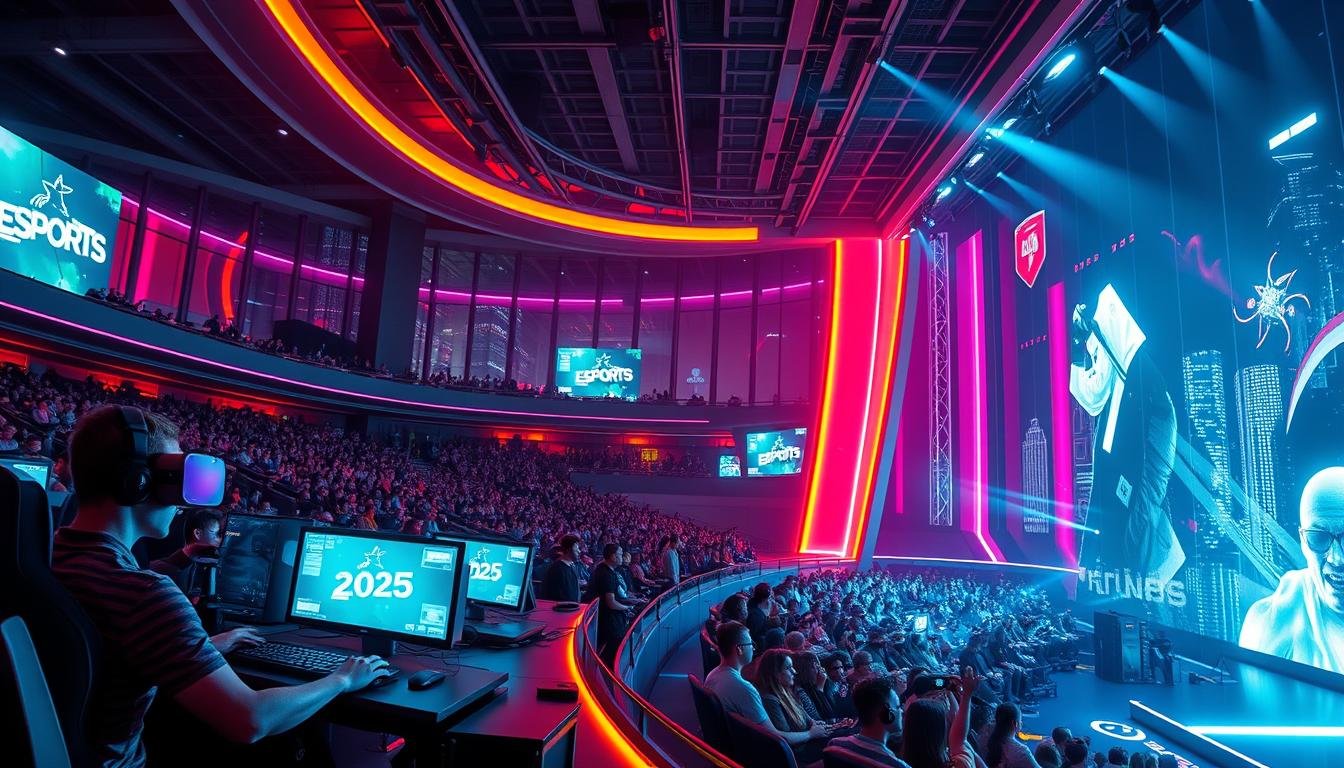
Esports in 2025 – What’s New & What’s Next?

The world of competitive gaming is on the cusp of a revolution. As we look ahead to 2025, it’s clear that esports will continue to evolve at a rapid pace. Esports in 2025 – What’s New & What’s Next? With advancements in technology and changes in consumer behavior, the esports landscape is shifting. This article will explore the key trends and innovations that will shape the industry in the coming year. From new game releases to emerging platforms, we’ll examine what’s on the horizon for esports enthusiasts. Our goal is to provide a comprehensive overview of the current state of esports and what to expect in the future. Key Takeaways The Current Trajectory of Esports The trajectory of esports is marked by consistent growth, driven by various factors including technological innovation and changing consumer behaviors. As the industry continues to mature, several key trends and shifts have emerged that are shaping its future. Key Growth Metrics in 2023-2024 Recent data indicates that the global esports market has seen a significant increase in viewership and revenue. The growth can be attributed to the rising popularity of competitive gaming titles and the expansion of esports leagues and tournaments. Metric 2023 2024 Global Viewership 450 million 520 million Market Revenue $1.1 billion $1.4 billion Major Industry Shifts Since 2020 Since 2020, the esports industry has witnessed several significant shifts, including the rise of mobile esports, increased investment from traditional sports teams, and the adoption of new technologies such as 5G connectivity. “The pandemic has accelerated the growth of esports, forcing the industry to adapt and innovate in response to changing consumer behaviors.” Pandemic-Era Adaptations That Became Permanent The COVID-19 pandemic led to several adaptations in the esports industry, including the shift to online events and the development of new formats for competition and spectatorship. Many of these adaptations have become permanent fixtures, enhancing the accessibility and flexibility of esports. Technological Advancements Reshaping Competitive Gaming The esports industry is on the cusp of a technological revolution. As we look to the future, it’s clear that technological advancements are transforming the landscape of competitive gaming. Next-Generation Gaming Hardware and Performance The latest gaming hardware is pushing the boundaries of performance, with faster processors, advanced graphics cards, and high-speed memory. These improvements enable smoother gameplay, faster rendering, and more immersive experiences. For instance, the introduction of ray tracing and AI-enhanced graphics capabilities is setting new standards for visual fidelity in games. 5G/6G Connectivity and Its Impact on Competition The rollout of 5G networks and the research into 6G are revolutionizing connectivity in esports. With lower latency and faster data transfer rates, competitive gaming is becoming more seamless and responsive. This enhanced connectivity is crucial for real-time multiplayer interactions and is expected to further professionalize esports competitions. AI Integration in Training, Analytics, and Game Design AI integration is having a profound impact on various aspects of esports, from training and analytics to game design. AI tools are being used to analyze player performance, predict outcomes, and personalize training regimens. Machine Learning for Player Development Machine learning algorithms are helping players refine their skills by providing detailed insights into their gameplay and suggesting areas for improvement. AI-Generated Content and Experiences AI is also being used to generate content, such as dynamic game environments and personalized experiences, enriching the gaming ecosystem. As these technological advancements continue to evolve, they will undoubtedly reshape the future of competitive gaming, offering new opportunities for growth, innovation, and engagement. Virtual Reality and Augmented Reality in Esports As VR and AR technologies mature, their impact on esports is becoming increasingly significant. The integration of these technologies is not only enhancing the gaming experience but also opening new avenues for competition and spectatorship. Commercial Viability of VR Esports Leagues VR esports leagues are gaining traction, offering immersive experiences that traditional gaming cannot match. These leagues are attracting significant investments, with major brands recognizing their potential. Enhancing Spectator Experiences with AR AR is revolutionizing the way spectators engage with esports. By overlaying digital information onto the physical environment, AR creates a more interactive and engaging experience for viewers. Mixed Reality Competition Formats Mixed reality (MR) combines elements of both VR and AR, offering a unique competitive format. MR allows for more accessible and diverse competition formats, bridging the gap between virtual and physical worlds. Technology Impact on Esports Accessibility … Read more

Latest Gaming Console Releases: PS6, Xbox Future & More

The gaming world is on the brink of a new era with the upcoming releases of next-generation consoles. The latest gaming console releases are set to revolutionize the industry with innovative features and enhanced gaming experiences. PS6, Xbox Future & More As gamers eagerly await the launch of PS6 and Xbox Future, the anticipation is building. These new consoles promise to deliver improved graphics, faster processing, and immersive gameplay, setting a new standard for the gaming community. Key Takeaways The Current Gaming Console Landscape The modern gaming console market is led by three primary competitors: PlayStation5, Xbox Series X/S, and Nintendo Switch. These consoles have distinct features and capabilities that cater to different segments of the gaming community. PlayStation 5 and Xbox Series X/S Performance The PlayStation5 and Xbox Series X/S are at the forefront of console technology, offering high-performance processing and advanced graphics capabilities. The PlayStation5 boasts a powerful AMD Zen 2 CPU and a Radeon Navi GPU, enabling ray tracing and 8K resolution. Similarly, the Xbox Series X/S features a custom AMD processor and supports variable refresh rates and high dynamic range. gaming console landscape Nintendo Switch Dominance in the Handheld Market The Nintendo Switch has carved out a unique niche in the gaming market with its hybrid design, allowing for both home console and portable handheld gaming experiences. Its versatility and exclusive titles like Super Mario Odyssey and The Legend of Zelda: Breath of the Wild have contributed to its significant market presence. Market Share and Sales Figures As of the latest reports, the market share is divided among the three major consoles, with the PlayStation5 holding a significant portion due to its strong lineup of exclusive games. The Nintendo Switch continues to be a top seller, driven by its family-friendly appeal and innovative design. The Xbox Series X/S, while trailing slightly, remains competitive due to its robust online gaming features and integration with the Xbox ecosystem. PlayStation 6: What We Know So Far Sony’s next-generation console, the PlayStation6, is on the horizon, with various speculations about its features and release timeline. As the gaming community eagerly awaits more information, several rumors and leaks have surfaced, providing insight into what we can expect from the PS6. Rumored Release Date and Development Status The exact release date of the PlayStation6 remains under wraps, but industry insiders suggest it could hit the market by late 2026 or early 2027. Sony has not officially confirmed the release window, but the company is reportedly in the advanced stages of development. Expected Hardware Specifications The PlayStation6 is anticipated to be a significant leap forward in terms of hardware. Let’s delve into the expected specifications: Processing Power and Graphics Capabilities The PS6 is rumored to feature a more powerful CPU and GPU compared to its predecessor. The new console is expected to utilize an AMD Zen 4 CPU architecture and a next-generation RDNA 3 GPU, potentially offering a substantial boost in processing power and graphics rendering. Storage Solutions and Memory In terms of storage, the PlayStation6 is likely to adopt a high-speed SSD, potentially leveraging the latest PCIe 5.0 technology for faster load times and improved overall performance. The console is also expected to come with an increased amount of RAM, possibly 24 GB or more of GDDR7 memory, to handle the demands of next-generation games. Component PS5 Specifications Rumored PS6 Specifications CPU AMD Zen 2 AMD Zen 4 GPU RDNA 2 RDNA 3 RAM 16 GB GDDR6 24 GB GDDR7 Storage SSD (PCIe 4.0) SSD (PCIe 5.0) Potential New Features and Innovations Beyond the hardware upgrades, the PlayStation6 is expected to introduce several innovative features that could redefine the gaming experience. Controller Advancements Beyond DualSense The PS6 controller is rumored to include haptic feedback enhancements, potentially with more nuanced and responsive tactile experiences. Additionally, there could be improvements in battery life and possibly the introduction of new gesture-based controls. PlayStation VR2 Integration Sony is expected to further integrate its PlayStation VR2 technology with the PS6, offering more immersive VR experiences. This could include enhanced resolution, improved tracking, and a wider range of VR-compatible games. As we await the official announcement from Sony, the anticipation for the PlayStation6 continues to build. With its promising hardware specifications and innovative features, the PS6 is poised to take the gaming world by storm. Xbox Future: Microsoft’s Next-Generation Plans As the gaming landscape continues to evolve, Microsoft’s upcoming Xbox Future is set to play a pivotal role in shaping the industry’s future. With significant advancements in technology and a strong focus on ecosystem integration, Xbox Future is anticipated to be a major player in the next-generation console market. … Read more

Top 10 Most Anticipated Games of 2026

The gaming world is on the cusp of a new year, and with it comes a slew of highly anticipated titles. 2026 promises to be an exciting year for gamers, with numerous blockbuster releases lined up. As we count down the most anticipated games of 2026, it’s clear that this year will be significant for the industry. From sequels to new IPs, there’s something for every type of gamer. Top 10 Most Anticipated Games of 2026 The list of top games is curated based on industry trends, developer statements, and gamer expectations. Read on to discover the top 10 most anticipated games of 2026 and what makes them so special. Key Takeaways The Gaming Landscape of 2026 As we step into 2026, the gaming industry is on the cusp of a revolution, driven by technological advancements and shifting player expectations. The current gaming landscape is characterized by rapid progress in areas such as artificial intelligence, virtual reality, and cloud gaming. Technological Advancements Shaping the Industry The gaming industry is witnessing significant technological advancements, including the integration of AI for more realistic gameplay, enhanced VR experiences, and the proliferation of cloud gaming services. These developments are not only improving game quality but also making gaming more accessible. gaming landscape 2026 Technological Advancement Impact on Gaming Artificial Intelligence More realistic NPC behavior and dynamic game environments Virtual Reality Immersive gaming experiences with enhanced interaction Cloud Gaming Gaming on various devices without the need for dedicated hardware Major Industry Trends to Watch Several trends are shaping the gaming industry in 2026, including the rise of cross-platform play, the growth of esports, and the increasing importance of community engagement. These trends are influencing game development and marketing strategies. Key trends include the continued growth of the esports sector, with larger prize pools and more mainstream recognition, and the evolution of cross-platform play, allowing gamers to play together regardless of their device. 10. Elder Scrolls VI Bethesda’s upcoming title, Elder Scrolls VI, has gamers excited for 2026. As one of the most anticipated games of the year, it promises to deliver a rich and immersive experience. The Elder Scrolls series has a long history of captivating players with its vast open worlds and intricate storylines. What We Know So Far Although official details are scarce, leaks and rumors have provided some insight into Elder Scrolls VI. It is expected to feature a new protagonist and a potentially new continent to explore. Bethesda has a history of surprising its fans, so while speculation is high, the actual gameplay and story remain a mystery. Expected Gameplay Innovations Fans and critics alike are speculating about the gameplay innovations that Elder Scrolls VI might bring. Advances in technology could allow for more complex character interactions and a more dynamic environment. The series has consistently evolved, and the next installment is expected to be no different. Why Fans Are Excited The anticipation for Elder Scrolls VI stems from the series’ legacy and the promise of another epic adventure. Fans are eager to explore new lands, master new spells, and engage in complex battles. As one of the anticipated games for 2026, it has already garnered significant attention from gamers worldwide. 9. Grand Theft Auto VII Rockstar Games is poised to revolutionize the gaming landscape once again with the upcoming Grand Theft Auto VII. As one of the most anticipated games of 2026, fans are eager to dive into the latest installment of this iconic series. With a history of delivering immersive and engaging gaming experiences, Rockstar Games has set the bar high for Grand Theft Auto VII. Setting and Time Period Rumors Speculation about the setting and time period of Grand Theft Auto VII has been rampant among fans. While Rockstar has remained tight-lipped about the details, rumors suggest that the game might be set in a contemporary or near-future environment, potentially incorporating real-world locations and issues. This could offer a fresh yet familiar backdrop for the series’ signature satire and social commentary. Anticipated New Features Grand Theft Auto VII is expected to introduce several new features that will enhance gameplay and immersion. Some anticipated features include advanced AI-driven NPC behaviors, improved vehicle dynamics, and a more interactive environment. These innovations could significantly impact the player’s experience, making the game world feel more alive and responsive. Rockstar’s Development Timeline Rockstar Games is known for its meticulous approach to game development, often taking years to craft a title that meets its high standards. While the exact development timeline for Grand Theft Auto VII has not been disclosed, industry insiders suggest that the game is in its final stages of development. Fans can expect more concrete details and possibly a release date announcement as 2026 approaches. Feature Description Impact on Gameplay Advanced AI More realistic NPC behaviors Enhanced immersion Improved Vehicle Dynamics Realistic driving mechanics … Read more